


Summary
Modern MMA continues to evolve with fighters borrowing from different martial arts and adapting unique techniques to fit the sport. The snake kick is one of these creative strikes. It is not as common as roundhouse kicks or teeps, but when used correctly, it becomes a powerful way to interrupt an opponent’s guard and catch them off balance.
The snake kick appears most often in striking-focused fighters who mix traditional martial arts with MMA movement.
This article explains what the snake kick is, how it works, why it is effective, and how fighters adapt it for modern MMA.
What Is The Snake Kick
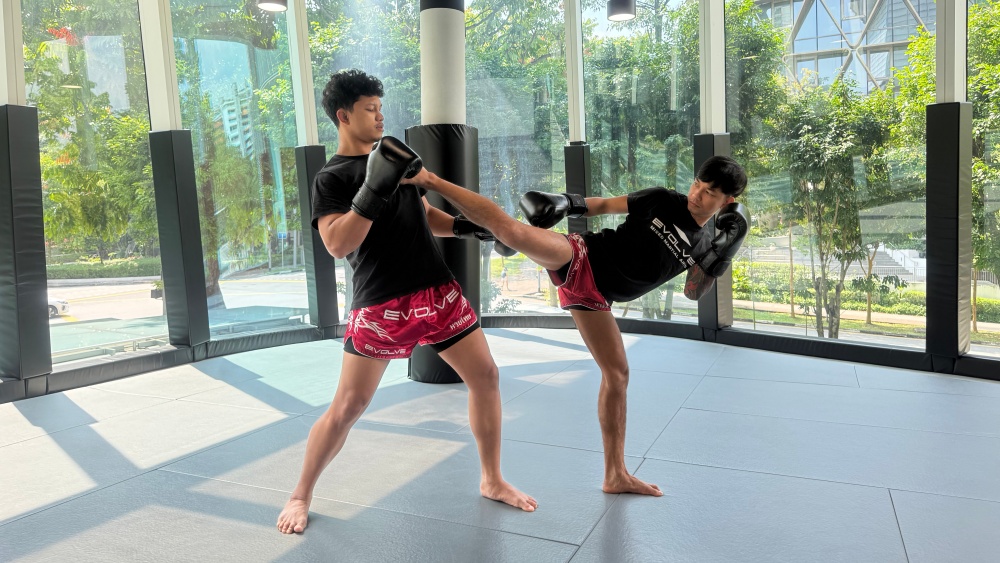
The snake kick is a quick, snapping kick that travels in a small arc from the lead leg. It looks similar to a flicking kick seen in traditional martial arts. Instead of powering through, the kick whips out with speed and precision.
It is usually aimed at the body or midsection, though fighters can also target the head depending on distance and timing.
The name comes from its motion. Like a snake strike, the kick shoots forward quickly and returns before the opponent has time to react.
How The Snake Kick Works
The snake kick comes from the lead leg without a full hip turn. This makes it:
- Faster to throw.
- Harder to read.
- Ideal for catching opponents during movement.
The motion is compact. You lift the lead knee slightly, snap the lower leg out, and pull it back instantly. Because the hips stay relatively square, opponents often expect a jab or feint rather than a kick.
The lack of a big windup is what gives it its surprise value.
Why The Snake Kick Is Effective In MMA
- Disrupts Rhythm: The kick lands when the opponent least expects it. It forces them to reset their stance and hesitate in exchanges.
- Quick And Efficient: The lead leg requires minimal movement to fire. This means you can throw it safely without overcommitting.
- Pairs Well With Combinations: The snake kick can be used before punches, after punches, or even as a standalone strike to check distance.
- Creates Openings: Landing the kick to the body can force an opponent’s elbow down, opening their head for hooks or crosses.
- Low Risk: Since the motion is small, fighters can return to stance easily without exposing themselves to takedowns.
Snake Kick Mechanics Step By Step
- Start in your stance. Stay light on your lead leg and keep your guard up.
- Lift the knee slightly; the lift should look like a checking motion, not a full chamber.
- Snap the lower leg outward. Use a whipping motion. Focus on speed rather than force.
- Retract the leg instantly and pull your foot back before your opponent reacts.
- Reset your stance. Be ready to follow up with punches, kicks, or movement.
The key is to stay relaxed. A stiff or forced motion reduces the speed and fluidity of the strike.
How Fighters Use The Snake Kick In Actual Scenarios
- As A Range Finder: The kick helps fighters feel the distance without committing to heavy shots.
- As A Disruption Tool: It breaks aggressive pressure and stops forward movement.
- As A Setup: Landing one or two snake kicks lowers the opponent’s guard. This opens the path for head kicks, knees, or punches.
- As A Feint: The slight knee lift can fake a body kick, low kick, or even a jab. Opponents freeze, giving you space to attack. Strikers who favor creativity often mix this kick with switch steps, stance changes, and unorthodox footwork.
Training Drills To Improve The Snake Kick
- Shadowboxing Snap Kicks: Practice the motion slowly to build fluidity. Focus on fast retraction.
- Light Padwork Snaps: Hit the pad with quick flicking kicks. Do not aim for power at first.
- Partner Timing Drills: Throw snake kicks as your partner steps in. This builds timing and reaction.
- Heavy Bag Whip Drills: Use the bag to practice full extension and clean snaps while maintaining good balance.
The goal is smoothness. Once the technique becomes natural, you can add it to combinations.
Common Mistakes To Avoid
- Lifting the knee too high.
- Leaning back too much.
- Overcommitting to power.
- Telegraphing the kick with big movements.
- Forgetting to retract immediately.
The snake kick is meant to be sharp and unexpected. Simplicity is what makes it work.
FAQs On The Snake Kick
Q: Is The Snake Kick Powerful?
A: It is more about speed and surprise than raw power, though it can still cause significant disruption.
Q: Who Uses Snake Kicks In MMA?
A: Strikers with traditional martial arts backgrounds, such as Muay Thai or karate practitioners, tend to use it more often.
Q: Can The Snake Kick Be Used In Combinations?
A: Yes. It blends well before or after punches and works as a setup for stronger kicks.
Final Thoughts
The snake kick is a creative and versatile tool in MMA. Its quick, flicking motion makes it ideal for surprising opponents and controlling the rhythm of a fight. While it may not be the most powerful strike, it adds depth and unpredictability to a fighter’s game.
You may also like:
Mastering The Penetration Step For Better Takedowns In MMA And BJJ

Summary The penetration step is a fundamental wrestling movement used to close the distance and drive power into a takedown. It’s not just a forward step but a full-body motion that helps you shoot deep…
Summary Takedown feints are one of the most effective tools in modern MMA. By threatening a level change without committing fully, fighters can draw defensive reactions, open striking opportunities, or disguise real takedown attempts. This…
Summary Aung La “The Burmese Python” N Sang is one of Asia’s most beloved mixed martial artists and a symbol of national pride for Myanmar. From humble beginnings to becoming a two-division ONE Championship World…
Mark Kerr, nicknamed “The Smashing Machine,” was one of the most dominant forces in the early days of mixed martial arts. A decorated wrestler, submission grappler, and tournament champion, he helped shape the foundation of…
Low leg kicks are one of the most under-appreciated weapons in striking arts. They quietly erode an opponent’s mobility, set the pace, and often serve as fight finishers. In Muay Thai, kickboxing, and MMA, a…
In mixed martial arts (MMA), striking often gets the spotlight, but grappling quietly serves as one of the most important foundations of the sport. Fighters with strong grappling backgrounds control where the fight takes place,…
Summary Whether you train BJJ or wrestling, the body lock takedown works well against a wide range of opponents. Instead of shooting for the legs, you secure tight control around the torso, use angles to…
Summary Muay Thai is known for powerful strikes, but defense is just as important. Good defense is not passive. It sets up counters, controls range, and keeps you calm under pressure. Defensive combinations in Muay…
Summary December in Singapore is more than just shopping and parties, it’s a season filled with lights, markets, concerts, and opportunities to stay active and energized. From festive light-ups to holiday markets and even martial…
Summary Martial arts is not just about technique and conditioning. It also requires speed, timing, and the ability to generate power instantly. Explosive exercises help martial artists develop faster reactions, stronger strikes, sharper movements, and…
Summary Ducking is a short, controlled lowering of your upper body to evade punches that come at head height, usually hooks or looping shots. Unlike slipping or leaning away, ducking keeps you close enough to…
Summary Your core is the foundation of your movement. Every strike you throw starts from the ground and transfers through your core before reaching your limbs. In Muay Thai, a strong core does far more…