


Summary
Enkh-Orgil Baatarkhuu has emerged as one of the most captivating figures in modern MMA. Drawing from his Mongolian roots and the country’s rich combat sports heritage, he has steadily built a name for himself on the global stage. From his early admiration for martial arts culture to his appearance on the physical reality show Physical: Asia, Enkh-Orgil’s rise reflects both cultural pride and personal determination.
His journey from being a fan of combat sports to capturing the ONE Bantamweight MMA World Championship title from Fabricio Andrade showcases a rare blend of grit, discipline, and continuous evolution.
This article explores his origins, early MMA development, rise through the ranks, partnership with Physical Asia, his breakthrough world title victory, and where his career may go next.
A Fighter Shaped By Mongolian Grit
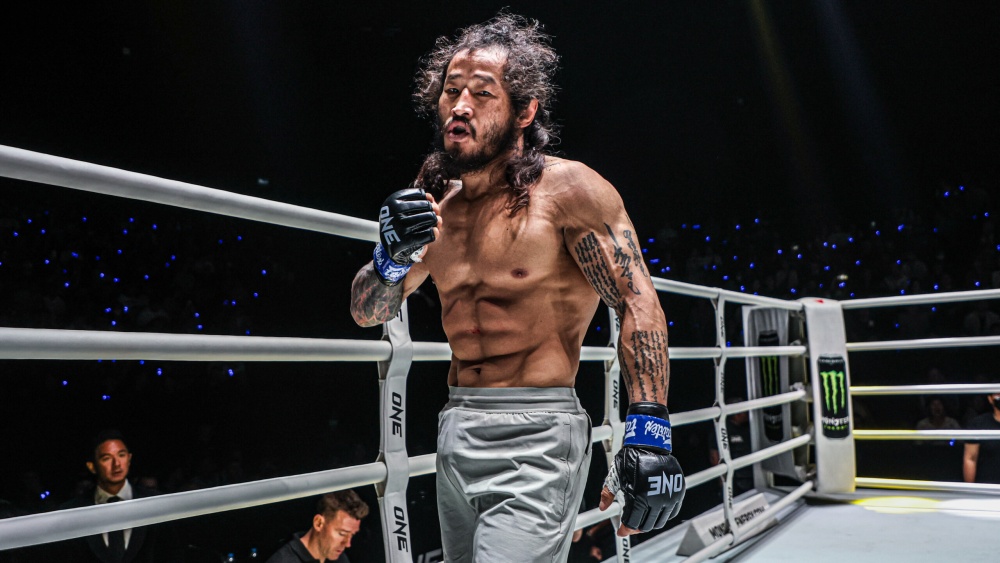
Enkh-Orgil Baatarkhuu was born and raised in Mongolia, a nation famous for its deep combat traditions. Wrestling is a celebrated part of Mongolian culture, and many young athletes grow up embracing strength, resilience, and the spirit of competition through local and national wrestling festivals.
These cultural foundations shaped Enkh-Orgil’s early days, where he started with wrestling before moving to Taekwondo and eventually MMA. The mentality long before his first professional fight. He developed not only physical toughness but also a strong sense of discipline and perseverance. These values later became essential as he transitioned from traditional combat sports into modern mixed martial arts.
Early MMA Origins
When Enkh-Orgil moved into MMA, he carried over his grappling instincts, strong clinch work, and natural durability. But like many Mongolian fighters shifting into global competition, he needed to broaden his skill set.
His early years in MMA revolved around:
His style became defined by relentless pressure, physical control, and an unbreakable mindset. He approached MMA with curiosity and humility, treating every fight as a lesson. Over time, he sharpened his timing, enhanced his footwork, and learned to blend striking with takedowns fluidly.
While his path was not built on flashy highlight moments, it was built on consistency. Fight by fight, he climbed the rankings, gaining respect from competitors and fans who recognized his work ethic and toughness.
The Physical Asia Connection
A major turning point in Enkh-Orgil’s development came from his appearance on Physical: Asia, a team-based physical reality competition that tests athletes from across the region on strength, endurance, strategy, and mental resilience. Participating in the show challenged him in ways that complemented his MMA training, pushing him beyond the demands of regular fight preparation.
His time on the show helped shape him from a powerful, raw competitor into a more polished and well-rounded athlete, capable of handling pressure in unfamiliar environments. While Physical: Asia was not directly part of his MMA career, it played a quiet but impactful role in strengthening his foundation and sharpening qualities that later proved valuable on the world stage.
The Championship Moment
On the night of his Bantamweight MMA World Championship title fight, Enkh-Orgil entered the cage as the underdog. Fabricio Andrade was known for dynamic striking and title experience, making him a difficult opponent for any challenger.
But Enkh-Orgil fought with composure and tactical awareness. He used pressure to close the distance, relied on his grappling strength, and controlled crucial moments of the match. His ability to stay calm under Andrade’s striking and dictate the pace of the fight reflected the maturity he developed over years of disciplined growth.
When the final moment came, Enkh-Orgil seized the opportunity and secured a finish that shocked many but made perfect sense to those who followed his steady rise. Winning the world title validated not only his skill but his resilience, patience, and belief in his development.
The victory over Andrade became a defining chapter in his story, establishing him as the new ONE Bantamweight MMA World Champion.
What’s Next for Enkh-Orgil Baatarkhuu
With the belt now around his waist, Enkh-Orgil’s future holds exciting possibilities. As a newly crowned champion, his next steps may include:
- Title Defenses: He is expected to defend the title against top-ranked contenders who bring diverse striking and grappling styles. Each matchup will test his ability to adapt and evolve further.
- Continued Development: Enkh-Orgil has shown that he improves every year. With the right training support, he can expand his striking arsenal, refine his transitions, and sharpen his fight IQ.
- Representation Of Mongolia On Global Stage: His success brings pride to Mongolia and opens the door for more Mongolian athletes to enter global promotions. He may become a key figure in representing the next wave of fighters from his country.
- Potential Promotional Opportunities: As his name grows, he may attract interest from larger promotions or potential super fights within his division.
What is certain is that Enkh-Orgil is entering the prime of his career with momentum, confidence, and the discipline that brought him this far.
Final Thoughts
Enkh-Orgil Baatarkhuu’s rise from Mongolian roots to world champion status is a story of steady dedication rather than shortcuts. His journey reflects the power of cultural foundation, structured development, and an unshakeable mindset. From grassroots origins to championship glory, he has shown that success in MMA is built through patience, humility, and relentless improvement.
His win over Fabricio Andrade marks the beginning of a new chapter, not the end of one. As he steps forward to defend his belt and carve out his legacy, fans will be watching closely to see how far this disciplined and determined athlete can go.
You may also like:
What Is The Snake Kick And Why Is It Effective For MMA

Summary Modern MMA continues to evolve with fighters borrowing from different martial arts and adapting unique techniques to fit the sport. The snake kick is one of these creative strikes. It is not as common…
Summary The penetration step is a fundamental wrestling movement used to close the distance and drive power into a takedown. It’s not just a forward step but a full-body motion that helps you shoot deep…
Summary Takedown feints are one of the most effective tools in modern MMA. By threatening a level change without committing fully, fighters can draw defensive reactions, open striking opportunities, or disguise real takedown attempts. This…
Summary Aung La “The Burmese Python” N Sang is one of Asia’s most beloved mixed martial artists and a symbol of national pride for Myanmar. From humble beginnings to becoming a two-division ONE Championship World…
Mark Kerr, nicknamed “The Smashing Machine,” was one of the most dominant forces in the early days of mixed martial arts. A decorated wrestler, submission grappler, and tournament champion, he helped shape the foundation of…
Low leg kicks are one of the most under-appreciated weapons in striking arts. They quietly erode an opponent’s mobility, set the pace, and often serve as fight finishers. In Muay Thai, kickboxing, and MMA, a…
Summary Head control refers to using grips, pressure, and positioning to control your opponent’s head and neck. In grappling, the head follows the spine, so when you control the head, you control the body. It…
Summary Whether you train BJJ or wrestling, the body lock takedown works well against a wide range of opponents. Instead of shooting for the legs, you secure tight control around the torso, use angles to…
Summary Muay Thai is known for powerful strikes, but defense is just as important. Good defense is not passive. It sets up counters, controls range, and keeps you calm under pressure. Defensive combinations in Muay…
Summary December in Singapore is more than just shopping and parties, it’s a season filled with lights, markets, concerts, and opportunities to stay active and energized. From festive light-ups to holiday markets and even martial…
Summary Martial arts is not just about technique and conditioning. It also requires speed, timing, and the ability to generate power instantly. Explosive exercises help martial artists develop faster reactions, stronger strikes, sharper movements, and…
Summary Ducking is a short, controlled lowering of your upper body to evade punches that come at head height, usually hooks or looping shots. Unlike slipping or leaning away, ducking keeps you close enough to…