


Summary
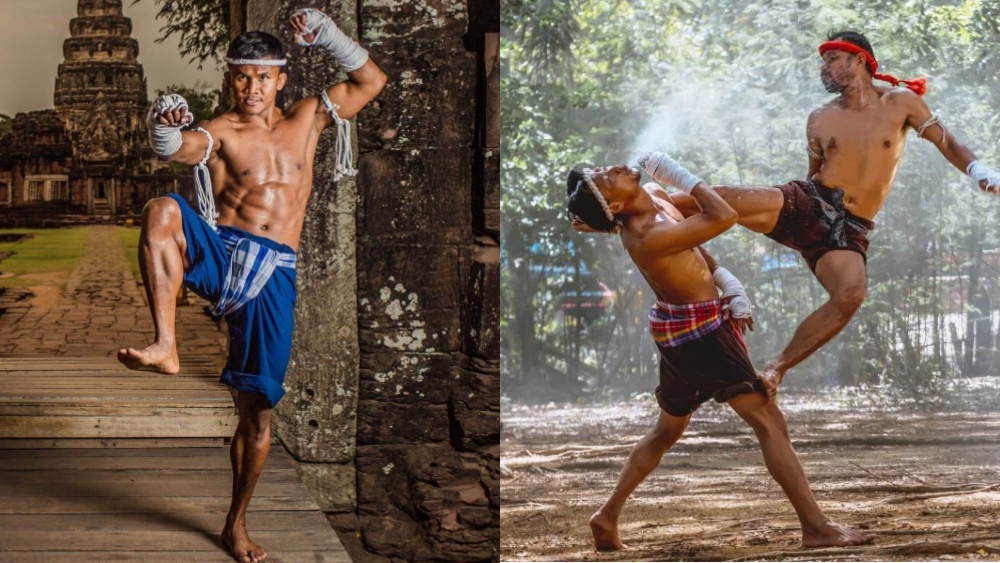
Before Muay Thai became a unified national martial art, Thailand was home to several regional fighting styles. These styles were shaped by geography, culture, and the needs of local warriors. Muay Korat from the Nakhon Ratchasima region is one of the most well-known traditional styles. It is famous for its heavy striking power and strong, grounded techniques that reflect the toughness of the people from this region.
Muay Korat is often described as a style rooted in strength and spirit, making it an important part of Muay Thai’s rich history.
Originating from the Korat region in northeastern Thailand, the style carries deep cultural roots and highlights the early development of Muay Thai before it evolved into the modern sport we see today. This guide explores the origins of Muay Korat, its defining characteristics, its role in Thai history, and how it continues to influence modern training.
Key Takeaways
- Muay Korat is one of the original regional styles of Muay Thai, known for strength, durability, and powerful long-range strikes.
- The style reflects the cultural values of northeastern Thailand, including bravery, discipline, and resilience.
- Although less commonly practiced today, Muay Korat helped shape many fundamental techniques seen in modern Muay Thai.
Origins Of Muay Korat
Muay Korat developed in northeastern Thailand, a region historically known for its strong military presence and resilient communities. Warriors from Korat were often recruited for combat and border defense, which influenced their fighting methods.
The style is believed to date back to the early periods of Thai military training when soldiers were taught to fight both armed and unarmed. Over generations, this evolved into a structured martial art practiced for self-defense, physical conditioning, and local competitions.
As Muay Thai evolved into a unified sport with standardized rules, regional styles like Muay Korat became less distinct but continued to influence training methods. Some old schools still preserve elements of the style to honor its cultural significance.
Characteristics That Define Muay Korat
1) Powerful Striking
Muay Korat is known for heavy punches, long-range kicks, and attacks driven by full-body power. The goal is to overwhelm opponents with strong, decisive strikes.
One of the signature techniques is the Krabi fist style punch, described in older writings as a straight, forceful blow meant to break through an opponent’s guard.
2) Wide, Stable Stance
Fighters adopt a grounded and sturdy stance that allows them to generate momentum from the legs and hips. This stability helps in delivering powerful strikes and absorbing force.
3) Emphasis On Strength And Conditioning
Traditional Muay Korat training included conditioning exercises such as running, heavy bag work using sand-filled bags, and body strengthening drills to build durability.
4) Long Range Offense
While many modern fighters excel inside the clinch, Muay Korat historically prioritised long-range attacks. Strong roundhouse kicks and powerful punches were used to keep opponents at a distance.
5) Warrior Spirit
Courage and determination were central values in Korat’s regional identity. Fighters are trained not only for technique but also for mental toughness and discipline.
How Muay Korat Influenced Modern Muay Thai
Although Muay Korat is not commonly taught as a full system today, its influence can be seen in modern Muay Thai through:
- Strong roundhouse kicks
- Powerful punching mechanics
- Emphasis on conditioning
- Importance of mental resilience
Many Muay Thai gyms draw from traditional regional methods, blending old techniques with modern training to create well-rounded fighters.
Is Muay Korat Still Practiced Today?
Only a few traditional schools and cultural programs preserve Muay Korat today. It is sometimes demonstrated at festivals, heritage events, or in documentaries showcasing Thai martial arts history.
However, its core ideas live on through modern Muay Thai training, especially in techniques focused on strength, power, and long-range striking.
FAQs On Muay Korat
Q: What Makes Muay Korat Different From Other Regional Styles?
A: Muay Korat is known for powerful strikes and a strong stance, while other styles, such as Muay Lopburi, focus more on speed and precision.
Q: Can Modern Fighters Benefit From Muay Korat Techniques?
A: Yes. Many of its power-based mechanics and conditioning methods are useful in today’s Muay Thai.
Q: Is Muay Korat Still Widely Practiced?
A: It is less common today, but some traditional schools keep their teachings alive.
Q: Does Muay Korat Include Elbows And Knees?
A: Yes, although the style emphasised punches and long-range kicks more than close-range techniques.
Q: Is Muay Korat Suitable For Beginners?
A: The concepts can be adapted for beginners, but full traditional training is rarely taught today.
Final Thoughts
Muay Korat is a meaningful part of Muay Thai’s history. Its emphasis on strength, power, and warrior spirit reflects the culture of northeastern Thailand and the roots of traditional combat. While the pure style is not as widely practiced today, its influence continues to shape modern Muay Thai techniques and training methods. Understanding Muay Korat gives practitioners a deeper appreciation of the art’s evolution and cultural richness.
You may also like:
What Fans Can Expect From The Return Of Tawanchai

Summary Tawanchai PK Saenchai is one of the most electrifying Muay Thai fighters of this generation. Known for his sharp timing, smooth footwork, and devastating left kick, he has built a reputation as a calm…
Summary Muay Thai is known for powerful strikes, but defense is just as important. Good defense is not passive. It sets up counters, controls range, and keeps you calm under pressure. Defensive combinations in Muay…
Summary Your core is the foundation of your movement. Every strike you throw starts from the ground and transfers through your core before reaching your limbs. In Muay Thai, a strong core does far more…
Summary In Muay Thai, knees are used from close to mid range and are one of Muay Thai’s most devastating weapons. They can stop an opponent’s forward pressure, drain their stamina, or end a fight…
Summary In Muay Thai, elbows are called sok, and they are both versatile and devastating. They can be thrown from multiple angles, upward, downward, horizontal, and even spinning, making them a key tool in clinch…
Summary Training bags have been a cornerstone of striking for decades. They allow athletes to practice timing, precision, and combinations without needing a live partner. In both Boxing and Muay Thai, bags are used not…
Summary Sambo is a combat sport that originated in the Soviet Union, created to train military and law enforcement personnel. The name comes from a phrase meaning self-defense without weapons. Unlike traditional Gi-based grappling, Sambo…
Summary Mixed Martial Arts offers a complete way to stay fit, learn new skills, and build confidence. But the biggest challenge for many people is finding a routine that matches their lifestyle. Whether you work…
Summary The New Year is a time for celebration, reflection, and new beginnings. In Singapore, the arrival of 2026 brings exciting countdown events, special performances, citywide activities, and opportunities to start the year feeling inspired….
Summary Inflammation is a natural response that helps the body heal. However, chronic inflammation can lead to fatigue, discomfort, and long-term health issues. Anti-inflammatory diets have become more popular in recent years as people look…
Summary While BJJ is often known for ground fighting, having a reliable takedown is essential for controlling where the match begins. The fireman’s carry is one of the most dynamic takedowns available because it uses…
Summary In boxing culture, people often describe a fighter as ‘durable’ when they can stay calm under pressure and continue performing even in tough rounds. The real meaning of durability is not allowing punches to…