


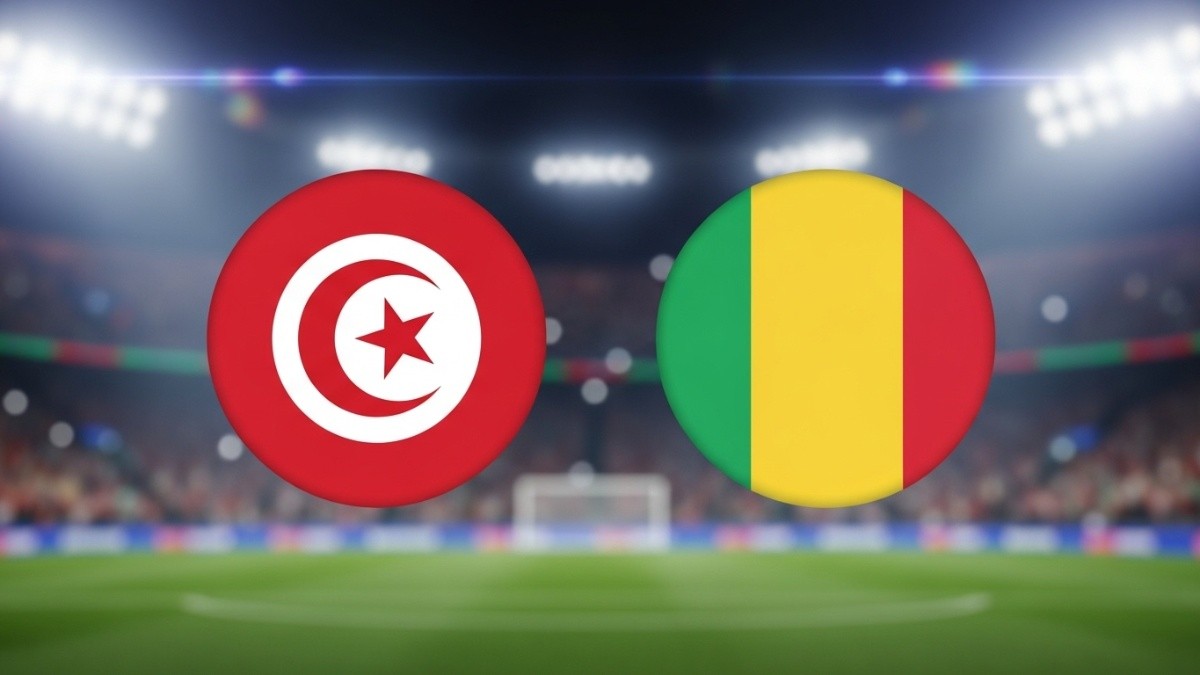
Down to ten men for over an hour, Mali refused to die. Lassine Sinayoko’s last-gasp penalty and a dramatic shootout victory over Tunisia encapsulate everything beautiful—and brutal—about African football.
The kind of night that reminds you why you fell in love with football
There are matches you watch, and there are matches that grab you by the throat. This was the latter. At the Stade Mohammed V in Casablanca on Saturday night, Mali didn’t just beat Tunisia—they survived them, outlasted them, and ultimately broke their hearts in a penalty shootout that will haunt Carthage Eagles fans for years.
The final score reads 1-1 after extra time, 3-2 on penalties. But those numbers tell you almost nothing about what actually happened on that pitch.
Coulibaly’s red card changed everything—except the result
When referee blew his whistle and showed Woyo Coulibaly a straight red card in the 26th minute for a reckless challenge, the script seemed written. Tunisia, with 70% possession at halftime and a numerical advantage, would cruise through. The Carthage Eagles had already dispatched Uganda 3-1 in their opener and pushed Nigeria to 3-2 before narrowly drawing with Tanzania.
Mali? They hadn’t won a single match in the group stage. Three draws. Two goals scored. A team seemingly running on fumes.
And yet.
“We are a good side,” Tom Saintfiet had said before the match. “If you look at the previous statistics, we conceded one goal during the AFCON qualifiers in six games, and during the World Cup qualification campaign, in six matches, we only conceded two goals. We are very solid defensively.”
The Belgian wasn’t bluffing.
Sixty-four minutes of defensive resistance
What Mali produced after that red card deserves to be studied. Saintfiet, the journeyman coach who took tiny Gambia to the AFCON quarter-finals in 2021, set up a low block so compact that Tunisia’s attacking riches—Hannibal Mejbri, Elias Saad, Ellyes Skhiri—looked like they were trying to pick a lock with a sledgehammer.
Djigui Diarra, the 30-year-old goalkeeper who plays his club football for Young Africans in Tanzania, made save after save. One stop from Ismael Gharbi in the second half was genuinely world-class. The kind of reflex that makes scouts reconsider their notes.
Tunisia had the ball. Mali had the plan.
As the clock ticked past 85 minutes, you could feel the tension shift. Sami Trabelsi’s side looked increasingly frantic. “Mali is a big team with players of high technical and physical quality. The match will be decided by small details and mistakes,” the Tunisian coach had warned beforehand. He was about to be proven right—though not in the way he hoped.
Chaouat’s header and the 60 seconds that changed everything
In the 89th minute, Tunisia finally broke through. Elias Saad delivered a cross from the right, and Firas Chaouat—the Club Africain striker who was the Tunisian league’s top scorer last season with 17 goals—rose highest to power a header into the top corner.
The Tunisian bench erupted. The few thousand traveling fans in Casablanca went wild. After an hour of battering the door, it had finally given way.
Then came stoppage time. Then came chaos.
Yassine Meriah, the experienced Espérance de Tunis defender, handled the ball in his own penalty area. The referee pointed to the spot. And up stepped Lassine Sinayoko.
The Auxerre man who might not be at Auxerre much longer
Sinayoko’s story is one of those football tales that gets stranger the closer you look. Last summer, he was supposed to join RC Lens. The deal was done—€8 million, medical scheduled, even a meeting with club legend Jean-Louis Leca to seal the move. Then Auxerre refused to let him go at the last minute, citing issues with “certain contract details.”
The 26-year-old stayed in Burgundy, somewhat against his will. And he’s been absolutely brilliant ever since. Six goals in Ligue 1 this season. Three at this AFCON, including that penalty against Morocco that held the hosts to a draw.
Manchester United are reportedly in “serious negotiations” to sign him on a free transfer next summer, according to AfricaFoot. His contract expires in June.
But all of that was noise. In the 96th minute, Sinayoko had one job: put the ball in the net.
He did. Ice cold. 1-1.
Extra time solves nothing
The additional 30 minutes were a blur of tired legs and tactical fouls. Nene Dorgeles earned a yellow for time-wasting. Meriah, perhaps haunted by his handball, sent a 40-yard effort sailing over the bar—a shot born of desperation rather than design.
Neither side could find a winner. Penalties it was.
The shootout: Bissouma blazes, Diarra dives
What happened next will fuel bar debates across North and West Africa for weeks.
Yves Bissouma, the Tottenham captain who’s barely played for his club this season due to injury and disciplinary issues, stepped up first for Mali. “What matters to me today is Mali,” he’d said earlier in the tournament. “I am here and fully focused.”
His penalty flew over the bar. A howler.
But Tunisia’s Ali Abdi matched him, smashing his own effort even higher into the Casablanca night. The Nice full-back, who’d had a solid game, will want to forget that moment.
From there, Djigui Diarra took over. The Young Africans keeper—a man whose idol is Manuel Neuer—produced a crucial save to give Mali the edge. When the final kick was converted, the Eagles had won 3-2.
What this means for Mali—and for Saintfiet
Mali haven’t won the AFCON. They’ve never even reached the final since 1972. But under Saintfiet, something is building.
“We want to stay in this tournament until the end,” the coach had said after the group stage draw. “That means playing seven matches, which means reaching at least the semi-finals.”
They’ve played four now. Three more to go. Up next: Senegal, the 2021 champions, in the quarter-finals.
For Tunisia, this is another tournament of broken promises. The 2004 champions haven’t lifted the trophy in over two decades. Trabelsi, who won the CHAN in 2011 during his first spell in charge, returns home with questions to answer.
“I understand why people aren’t happy with our performance,” he’d said before the match. “But we weren’t that bad.”
Tonight, they weren’t bad at all. They just weren’t good enough against a team that refused to accept defeat.
The verdict
Mali’s progression to the quarter-finals extends their unbeaten run against Tunisia at the AFCON to five matches. It’s a record that dates back to 1994, when they beat the hosts 2-0 in the group stage.
But this wasn’t about history. This was about heart, about Saintfiet’s system, about Sinayoko’s nerve and Diarra’s gloves.
In football, you don’t always get what you deserve. Sometimes the team with 30% possession wins. Sometimes ten men outlast eleven.
Sometimes, the beautiful game is beautifully unfair.

Down to ten men for over an hour, Mali refused to die. Lassine Sinayoko’s last-gasp penalty and a dramatic shootout victory over Tunisia encapsulate everything beautiful—and brutal—about African football.
The kind of night that reminds you why you fell in love with football
There are matches you watch, and there are matches that grab you by the throat. This was the latter. At the Stade Mohammed V in Casablanca on Saturday night, Mali didn’t just beat Tunisia—they survived them, outlasted them, and ultimately broke their hearts in a penalty shootout that will haunt Carthage Eagles fans for years.
The final score reads 1-1 after extra time, 3-2 on penalties. But those numbers tell you almost nothing about what actually happened on that pitch.
Coulibaly’s red card changed everything—except the result
When referee blew his whistle and showed Woyo Coulibaly a straight red card in the 26th minute for a reckless challenge, the script seemed written. Tunisia, with 70% possession at halftime and a numerical advantage, would cruise through. The Carthage Eagles had already dispatched Uganda 3-1 in their opener and pushed Nigeria to 3-2 before narrowly drawing with Tanzania.
Mali? They hadn’t won a single match in the group stage. Three draws. Two goals scored. A team seemingly running on fumes.
And yet.
“We are a good side,” Tom Saintfiet had said before the match. “If you look at the previous statistics, we conceded one goal during the AFCON qualifiers in six games, and during the World Cup qualification campaign, in six matches, we only conceded two goals. We are very solid defensively.”
The Belgian wasn’t bluffing.
Sixty-four minutes of defensive resistance
What Mali produced after that red card deserves to be studied. Saintfiet, the journeyman coach who took tiny Gambia to the AFCON quarter-finals in 2021, set up a low block so compact that Tunisia’s attacking riches—Hannibal Mejbri, Elias Saad, Ellyes Skhiri—looked like they were trying to pick a lock with a sledgehammer.
Djigui Diarra, the 30-year-old goalkeeper who plays his club football for Young Africans in Tanzania, made save after save. One stop from Ismael Gharbi in the second half was genuinely world-class. The kind of reflex that makes scouts reconsider their notes.
Tunisia had the ball. Mali had the plan.
As the clock ticked past 85 minutes, you could feel the tension shift. Sami Trabelsi’s side looked increasingly frantic. “Mali is a big team with players of high technical and physical quality. The match will be decided by small details and mistakes,” the Tunisian coach had warned beforehand. He was about to be proven right—though not in the way he hoped.
Chaouat’s header and the 60 seconds that changed everything
In the 89th minute, Tunisia finally broke through. Elias Saad delivered a cross from the right, and Firas Chaouat—the Club Africain striker who was the Tunisian league’s top scorer last season with 17 goals—rose highest to power a header into the top corner.
The Tunisian bench erupted. The few thousand traveling fans in Casablanca went wild. After an hour of battering the door, it had finally given way.
Then came stoppage time. Then came chaos.
Yassine Meriah, the experienced Espérance de Tunis defender, handled the ball in his own penalty area. The referee pointed to the spot. And up stepped Lassine Sinayoko.
The Auxerre man who might not be at Auxerre much longer
Sinayoko’s story is one of those football tales that gets stranger the closer you look. Last summer, he was supposed to join RC Lens. The deal was done—€8 million, medical scheduled, even a meeting with club legend Jean-Louis Leca to seal the move. Then Auxerre refused to let him go at the last minute, citing issues with “certain contract details.”
The 26-year-old stayed in Burgundy, somewhat against his will. And he’s been absolutely brilliant ever since. Six goals in Ligue 1 this season. Three at this AFCON, including that penalty against Morocco that held the hosts to a draw.
Manchester United are reportedly in “serious negotiations” to sign him on a free transfer next summer, according to AfricaFoot. His contract expires in June.
But all of that was noise. In the 96th minute, Sinayoko had one job: put the ball in the net.
He did. Ice cold. 1-1.
Extra time solves nothing
The additional 30 minutes were a blur of tired legs and tactical fouls. Nene Dorgeles earned a yellow for time-wasting. Meriah, perhaps haunted by his handball, sent a 40-yard effort sailing over the bar—a shot born of desperation rather than design.
Neither side could find a winner. Penalties it was.
The shootout: Bissouma blazes, Diarra dives
What happened next will fuel bar debates across North and West Africa for weeks.
Yves Bissouma, the Tottenham captain who’s barely played for his club this season due to injury and disciplinary issues, stepped up first for Mali. “What matters to me today is Mali,” he’d said earlier in the tournament. “I am here and fully focused.”
His penalty flew over the bar. A howler.
But Tunisia’s Ali Abdi matched him, smashing his own effort even higher into the Casablanca night. The Nice full-back, who’d had a solid game, will want to forget that moment.
From there, Djigui Diarra took over. The Young Africans keeper—a man whose idol is Manuel Neuer—produced a crucial save to give Mali the edge. When the final kick was converted, the Eagles had won 3-2.
What this means for Mali—and for Saintfiet
Mali haven’t won the AFCON. They’ve never even reached the final since 1972. But under Saintfiet, something is building.
“We want to stay in this tournament until the end,” the coach had said after the group stage draw. “That means playing seven matches, which means reaching at least the semi-finals.”
They’ve played four now. Three more to go. Up next: Senegal, the 2021 champions, in the quarter-finals.
For Tunisia, this is another tournament of broken promises. The 2004 champions haven’t lifted the trophy in over two decades. Trabelsi, who won the CHAN in 2011 during his first spell in charge, returns home with questions to answer.
“I understand why people aren’t happy with our performance,” he’d said before the match. “But we weren’t that bad.”
Tonight, they weren’t bad at all. They just weren’t good enough against a team that refused to accept defeat.
The verdict
Mali’s progression to the quarter-finals extends their unbeaten run against Tunisia at the AFCON to five matches. It’s a record that dates back to 1994, when they beat the hosts 2-0 in the group stage.
But this wasn’t about history. This was about heart, about Saintfiet’s system, about Sinayoko’s nerve and Diarra’s gloves.
In football, you don’t always get what you deserve. Sometimes the team with 30% possession wins. Sometimes ten men outlast eleven.
Sometimes, the beautiful game is beautifully unfair.