


Summary
High-intensity training is known for pushing your heart rate up and delivering strong fitness results in a short amount of time. But many people who train consistently notice something else. Beyond physical benefits, many people also report feeling mentally sharper and less stressed after these workouts.
This connection between physical intensity and mental clarity is not a coincidence. High-intensity workouts activate systems in the body that influence mood, energy, and cognitive function.
This article explores how high-intensity training affects focus, stress management, and overall mental well-being, and why it may be a helpful addition to your weekly routine.
Key Takeaways
-
High-intensity training boosts focus, reaction time, and mental alertness while reducing fatigue.
-
It relieves stress by releasing tension, improving mood, and providing a mental reset.
-
Short, structured exercises like squats, burpees, and mountain climbers deliver these benefits efficiently, even in brief sessions.
How High-Intensity Training Improves Focus
- It Increases Alertness: High-intensity exercise raises your heart rate and oxygen flow, which sends signals to the brain that increase alertness. This helps you feel awake, engaged, and mentally ready for the day.
- It Sharpens Reaction and Decision-Making: Fast-paced movements, quick transitions, and short work intervals require concentration. These moments train your brain to react quickly and stay mentally locked in. Over time, this improves your ability to focus on tasks outside the gym.
- It Reduces Mental Fatigue: High-intensity training helps clear mental clutter. After a session, many people feel refreshed and more mentally organised thanks to improved blood flow and the release of feel-good hormones.
How High-Intensity Training Helps Reduce Stress
- It Releases Built-Up Tension: Stress often creates stiffness in the shoulders, neck, and back. Fast, powerful movements provide an outlet to release this tension and leave your body feeling lighter.
- It Boosts Mood: High-intensity workouts trigger endorphin release, which helps reduce feelings of stress and improves your overall mood. These hormones help you feel calmer after training.
- It Helps You Reset Mentally: Taking time to focus solely on movement helps your mind step away from daily worries. This reset effect is one of the main reasons people feel emotionally balanced after training.
Examples of High-Intensity Exercises You Can Try
High-intensity training does not need complicated equipment or long workouts. Here are simple exercises that deliver strong benefits and can be adjusted for different fitness levels.
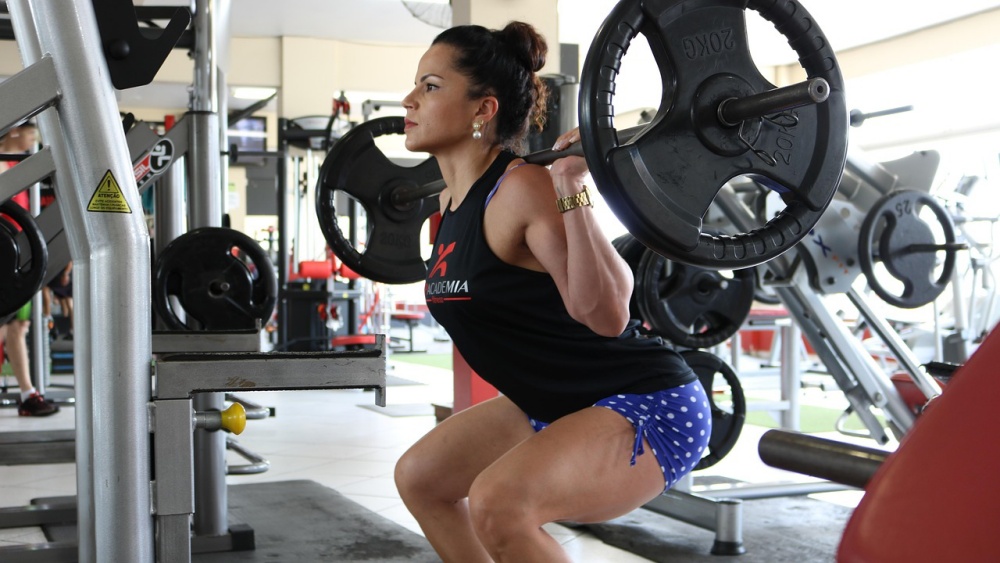
1) Fast Bodyweight Squats
Perform squats at a quicker pace to raise your heart rate while working the legs and core. This builds strength and improves explosive movement.
2) Mountain Climbers
A full-body movement that boosts cardio, strengthens the core, and trains coordination. Short bursts of mountain climbers can quickly elevate intensity.
3) Burpees
A classic high-intensity exercise that combines a squat, plank, and jump. Burpees increase power and endurance while challenging both the upper and lower body.
4) High Knees
Run in place while lifting your knees as high as possible. This simple movement improves speed, conditioning, and cardiovascular strength.
5) Jumping Lunges
A dynamic lower body exercise that works your legs, balance, and coordination. The jumping motion helps build power and raise your heart rate quickly.
These movements can be done in intervals such as 20 seconds of work followed by 20 to 30 seconds of rest for several rounds. You can also mix and match them to create short, effective sessions that fit into your daily routine.
Why It Works Even In Short Sessions
You do not need long workouts for mental benefits. Short intervals of effort with rest in between can already:
- Lift your energy
- Boost concentration
- Calm the mind
- Improve motivation
This makes high-intensity training ideal for people with busy schedules.
FAQs On High-Intensity Training
Q: Can Beginners Do High-Intensity Training?
A: Yes. Beginners can start with shorter intervals and lighter movements.
Q: Does High-Intensity Training Help With Work Or Study Focus?
A: Many people report improved concentration and productivity after regular sessions.
Q: Can High-Intensity Exercise Help Manage Daily Stress?
A: Yes. It helps release tension, improve mood, and reset the mind.
Q: Is It Safe For Everyone?
A: Most people can participate, but it is best to adjust the intensity to your fitness level.
Final Thoughts
High-intensity training is more than a fitness trend. It is a powerful tool for improving focus, reducing stress, and supporting a healthier mindset. Whether you are looking to sharpen your concentration or find an outlet for daily pressure, short and structured high-intensity sessions can make a meaningful difference. When paired with proper recovery and consistency, this style of training becomes a valuable part of your routine.
You may also like:
Essential Explosive Exercises Every Martial Artist Should Know

Summary Martial arts is not just about technique and conditioning. It also requires speed, timing, and the ability to generate power instantly. Explosive exercises help martial artists develop faster reactions, stronger strikes, sharper movements, and…
Summary Strength and conditioning exercises are used to strengthen your muscles and joints, improving your mobility. We all move around the place as we complete our day-to-day obligations, so we all can benefit from making…
Modern work often means long hours at a desk, especially in busy cities where office life is the norm for many professionals. While sitting may feel harmless, remaining in one position for extended periods can…
Simple, portable, and brutally effective, the jump rope is a classic conditioning tool used by boxers, martial artists, and athletes across generations. It improves cardiovascular endurance, builds coordination, burns calories, and develops footwork in ways…
In BJJ, Submission Grappling, and Wrestling, improving your ability to explode into takedowns doesn’t just add more brute strength to your takedowns, it also allows you to close distances quicker as your entry speed increases….
Flexibility plays a crucial role in how well you can execute many fighting techniques. For example, you need a certain level of hip flexibility to throw high kicks in Muay Thai or to use the…
Summary Children learn best when they are curious, engaged, and free to explore. This is exactly why play-based learning works so well in martial arts training. Instead of relying only on repetition and structure, instructors…
Summary As more people look for ways to stay active, reconnect with nature, and step away from digital routines, 2026 offers many exciting outdoor activities to explore. From scenic walks and coastal adventures to team-based…
Summary Technical mastery in MMA doesn’t just rely on power. It’s also about timing, positioning, adaptability, and the ability to solve problems in real time. A technical fighter understands distance, timing, and transitions. They know…
Summary Scrambles are one of the most dynamic and unpredictable parts of wrestling. A scramble in wrestling occurs when both athletes lose or exchange control and must react quickly to regain dominant position. These moments…
Summary Over the weekend, in the boxing scene, Anthony Joshua delivered a decisive statement performance by stopping Jake Paul with a knockout in round six. The bout unfolded as a clash between elite heavyweight fundamentals…
Summary Before Muay Thai became a unified national martial art, Thailand was home to several regional fighting styles. These styles were shaped by geography, culture, and the needs of local warriors. Muay Korat from the…