


Summary
Muay Thai is one of the most rewarding martial arts you can train in — and one of the most demanding to develop genuine competence in. The path from complete beginner to confident, well-rounded fighter takes years of consistent work, but the pace of that development is not fixed. How you train, how you approach your time in and out of the gym, and the habits you build from your very first session all have a significant impact on how quickly your skills compound. This article covers 15 practical tips for accelerating your Muay Thai development: from training frequency and private sessions, to the mindset you bring to drilling, sparring, and everything in between. Whether you are in your first month at the gym or looking to break through a plateau after years of training, these tips apply at every stage of the journey. As Muay Thai World Champion and Evolve MMA instructor Chaowalit Jocky Gym puts it, “The students who improve fastest are not always the most talented. They are the ones who show up consistently, ask the right questions, and treat every session — whether it is a beginner class or a hard sparring round — as an opportunity to get better. Talent is common. That kind of attitude is rare.” If you are training at a world-class gym like Evolve MMA in Singapore, you have access to some of the best instruction and training partners available anywhere. These 15 tips will help you make the most of every session.
1) Train Often
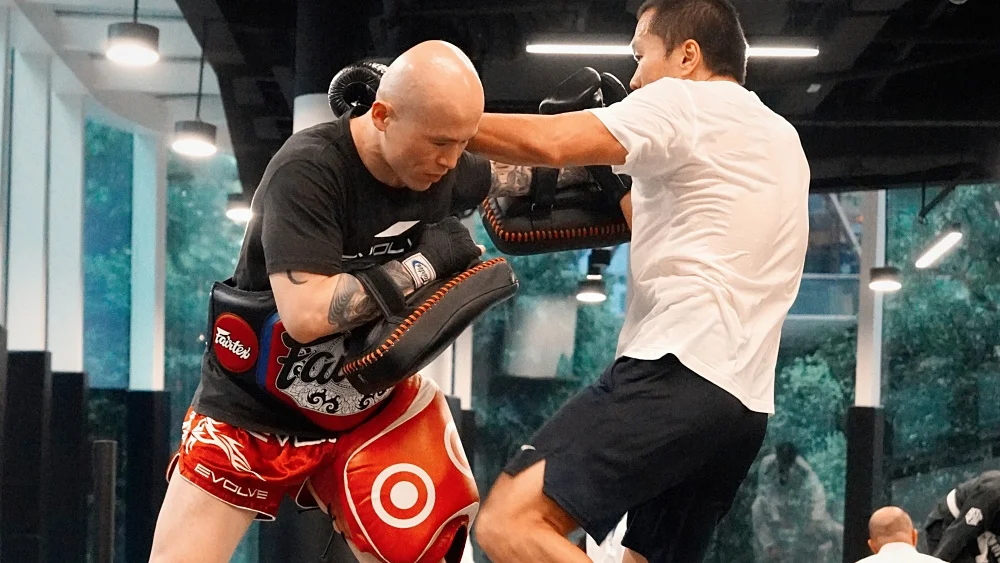
It might sound obvious, but the more time you spend in the gym, the more knowledge you will absorb, and the more time you will have to put it into practice.
Almost every single Muay Thai class is different. You might be introduced to a new kick, punch, fake, feint, block, parry, slip, elbow, or anything at all that’s involved in the art of eight limbs.
Even if you’re covering familiar ground, you can gain so much from any training session. Let’s say your class is focused on the jab. That is such a versatile strike; there is no way you will have covered everything there is to know about it.
Especially if you’re a beginner, you may have learned how to throw a basic jab, but in future sessions, you’ll pick up variations, the best times to throw it, how to set it up, how to use it in combination, how to counter it – the list goes on.
Even if you’re experienced, it never hurts to retrain the basics so you don’t get sloppy. Plus, you might remember something you forgot.
2) Private Sessions
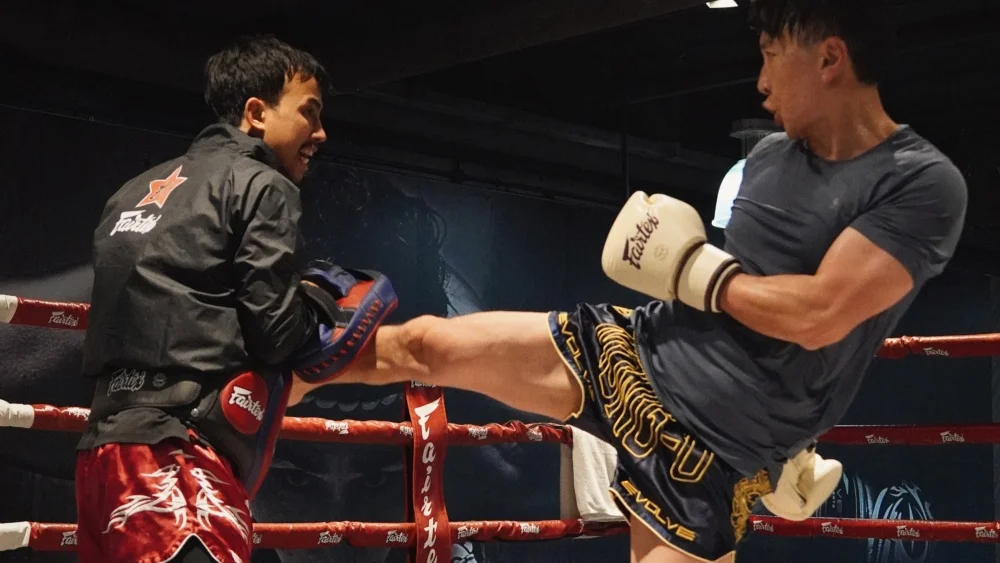
If you have the budget, one-on-one sessions with your coaches will give you a big boost.
Regular Muay Thai classes are great, but it’s not often that you’ll get the full attention of your trainers because they have to help the whole class.
When it’s just you and your coach, you’ll have access to a whole new depth of training. They will be able to analyze every technique you use and offer advice on how you can improve them.
3) Ask Questions
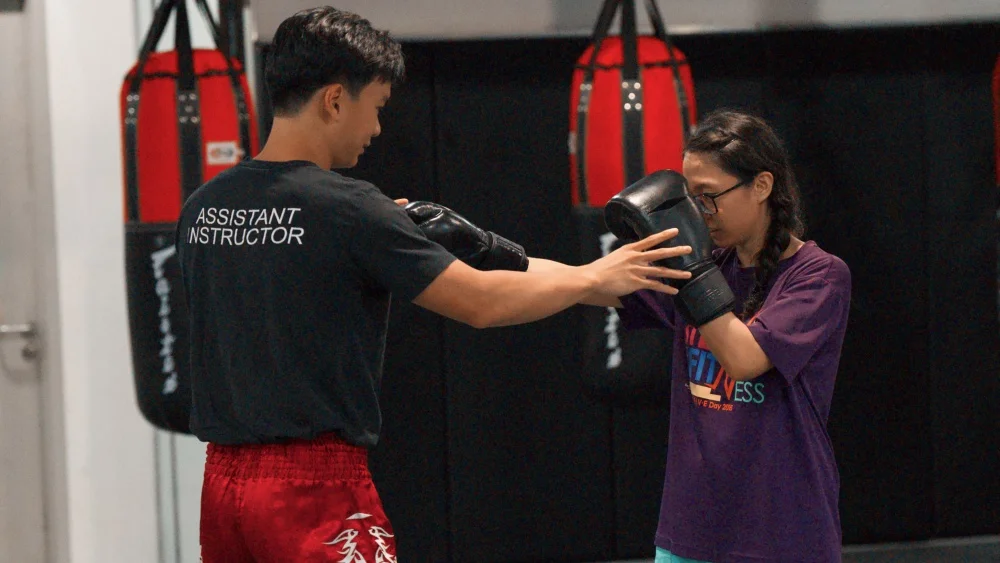
Whether you’re in a big or small class, make sure you’re clear about what you’re doing.
If your coach has demonstrated something and you’re still not sure about how to execute it properly, don’t be afraid to ask them to run through it one more time.
Chances are, you’re not the only one in class that is not 100 percent certain. It’s far better to delay the start of your practice by a minute to make sure everything is clear, rather than to spend the next 10 minutes doing something incorrectly.
Your training partners can also be fountains of knowledge – especially if you’re a beginner and you’re drilling with someone who’s more experienced than you.
Don’t feel like you’ll waste their time by asking for advice. Muay Thai is a community, and most martial artists are happy to share their knowledge. Everyone was a beginner at some point in their lives.
Plus, most people will get a kick out of helping their teammates improve, and they’ll appreciate a new sparring partner when you’re ready to mix things up.
4) Listen
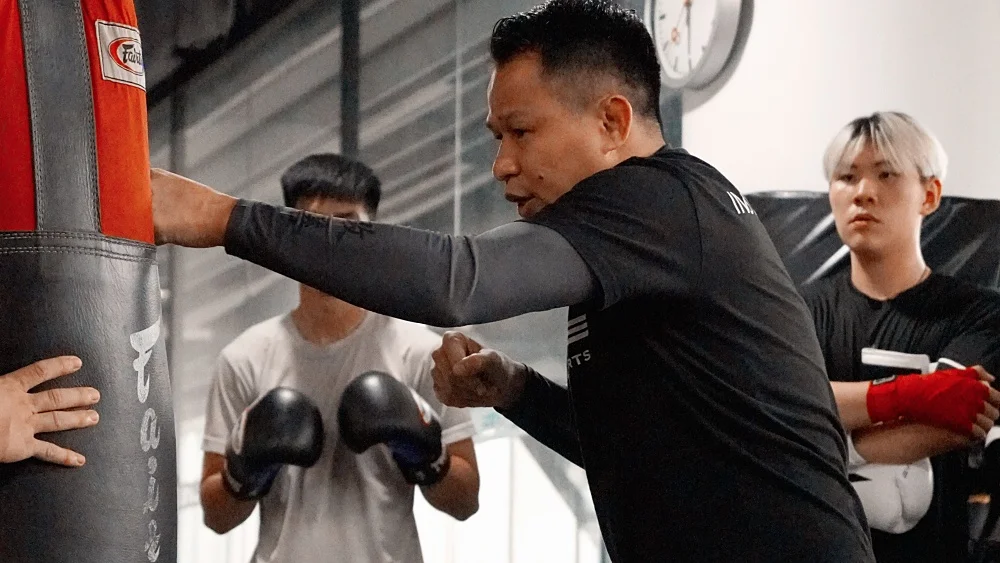
You’re sure to make friends and have a great time at a Muay Thai gym, but save your chat until you’ve finished for the day.
When your coach is showing you what to do or how to do something, focus all your attention on them. You don’t want to miss an important piece of information because you’re talking about what you had last night for dinner.
Similarly, pay attention to what your training partners tell you. Their tips come from a good place. If they’re offering you some advice, it’s probably because they’re speaking from experience, and they just want to help you get better.
Just because these guys and girls aren’t the people you’re paying to instruct you, it does not mean that they have not got valuable knowledge to share.
5) Drilling
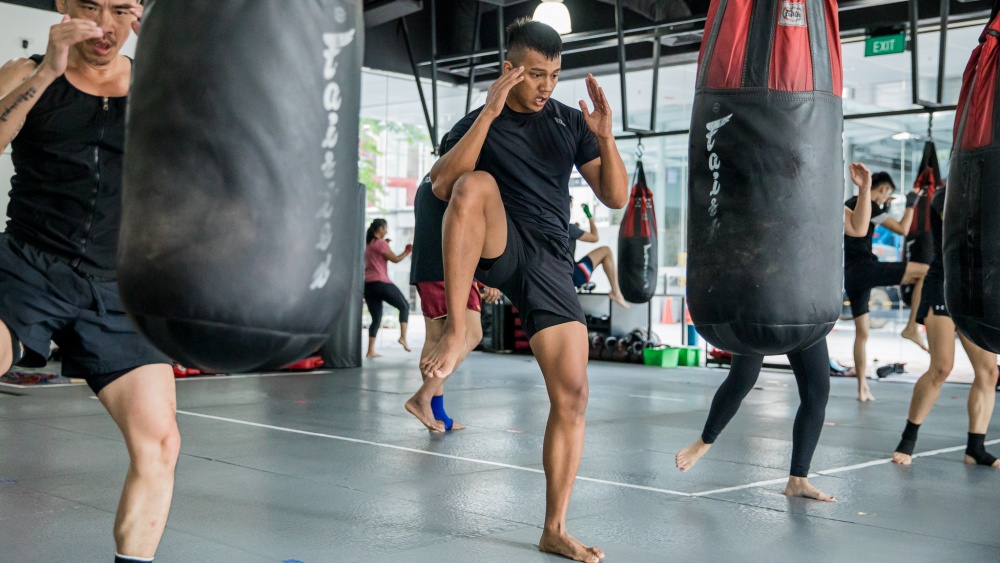
“I fear not the man who has practiced 10,000 kicks once, but I fear the man who has practiced one kick 10,000 times.”
The wise words of Bruce Lee still apply to this day. There is no substitute for hard work, and a great example of that is practicing the same technique over and over again.
The more you drill your fundamentals, the better they will be. You’ll be able to use them instinctively and comfortably in a live combat situation.
It might not be the most exciting way to train, but no one is above drilling. Even the most experienced Thais will spend time hitting the bag with hundreds of kicks every day to stay sharp.
6) Stay Focused
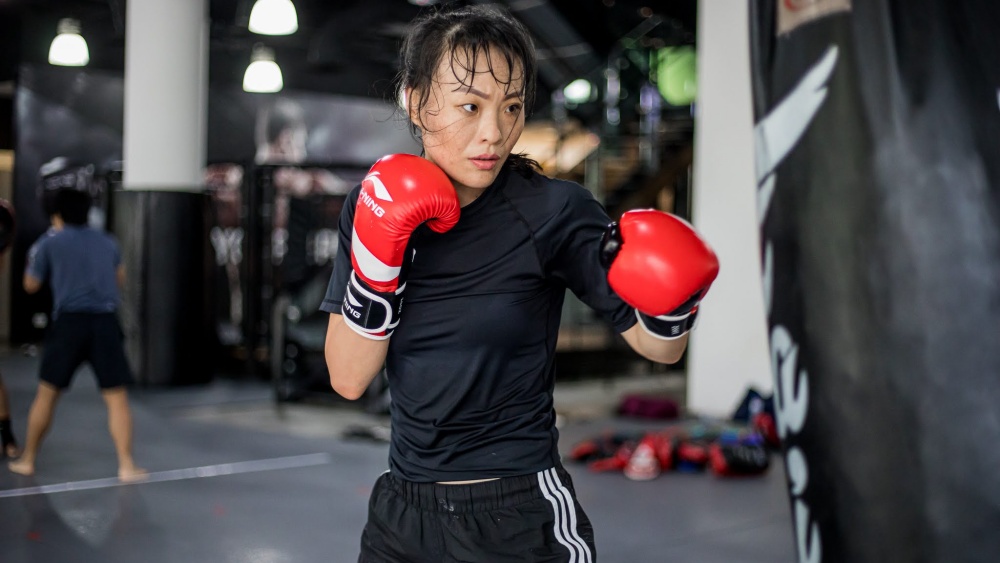
It’s easy to go through the motions when you’re drilling techniques hundreds of times.
Maybe you’ve been told to do 100 round kicks off each leg, and you just want to bang them all out as quickly as possible. That’s probably a bad move.
If you don’t focus on throwing strikes with proper technique, particularly when you first get started with Muay Thai, it is very likely you’ll develop bad habits. The longer you practice these, the harder they will be to correct.
The last thing you want to do is get to the point where you’re competing and you’re at an automatic disadvantage because your fundamentals are all wrong.
Get the basics right from the get-go, and try your best to stay on point with them.
7) Technique Over Power
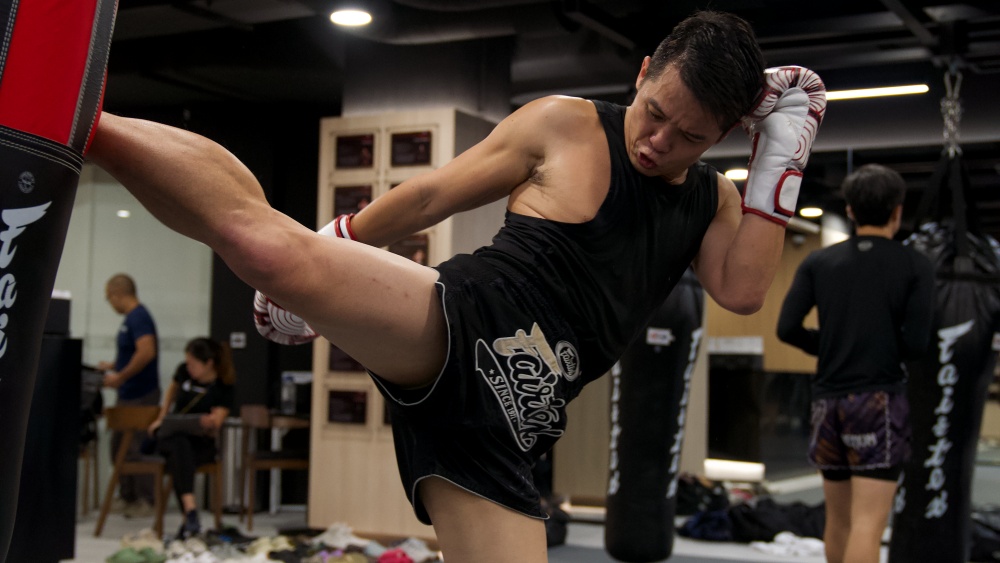
A big mistake that many budding martial artists make is that they try to hit the bag or pads as hard as they can. That usually means their form goes out of the window.
It’s much better to can slow things down and try to make sure your movements are as close to perfect as possible. As you get better, you can speed things up and throw with more force.
It’s important to remember that power will come as a product of proper technique. Plus, you’ll expend far less energy than if you tense up and try to generate as much power as possible.
8) Push Yourself
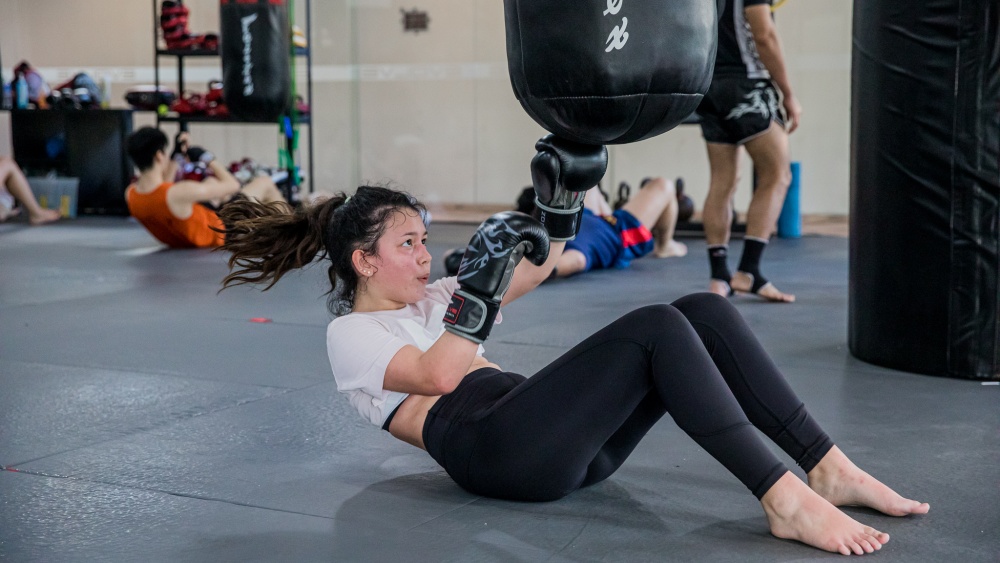
A true martial artist tries to improve every day, and the best way to do that is by pushing yourself.
If you’re given a cardio-sapping pad drill, give it your all. Try not to let fatigue stop you from pushing through and finishing strong.
Learning to push through your breaking point is vital in a combat situation, so it’s best to practice going beyond your limits before someone starts hitting you back.
9) Don’t Be Scared To Spar
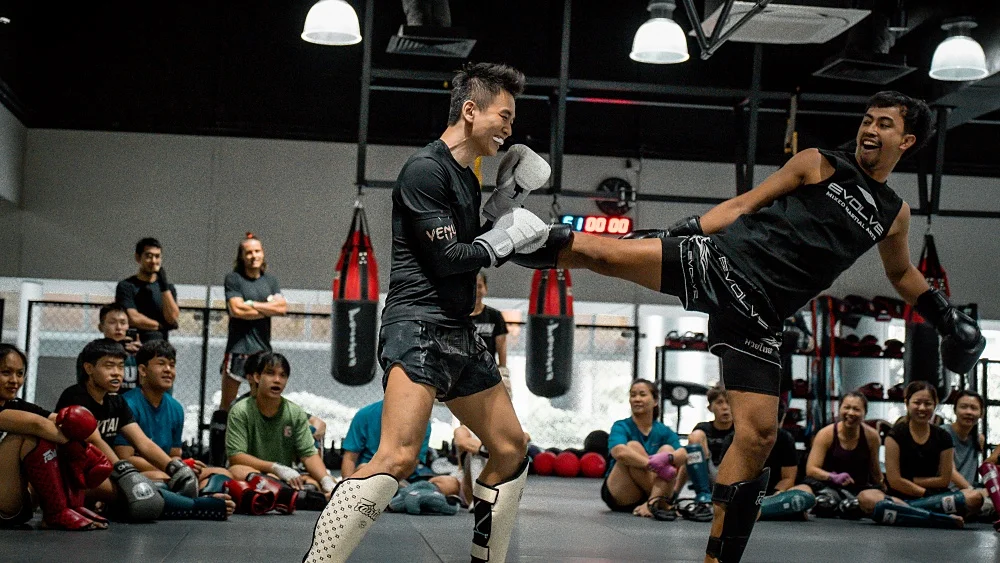
Sparring sessions can be daunting at first, but try to take things one step at a time, and you’ll soon be able to mix things up with your teammates, whatever level they are.
First, it’s important to remember that 99 percent of people who set foot in martial arts gyms are respectful.
A 10-year veteran will not attack a beginner like they’re in the main event at Lumpinee Stadium. They’ll take their sparring partner’s ability into account and throw bring their effort down to match their level.
10) Sparring Gains
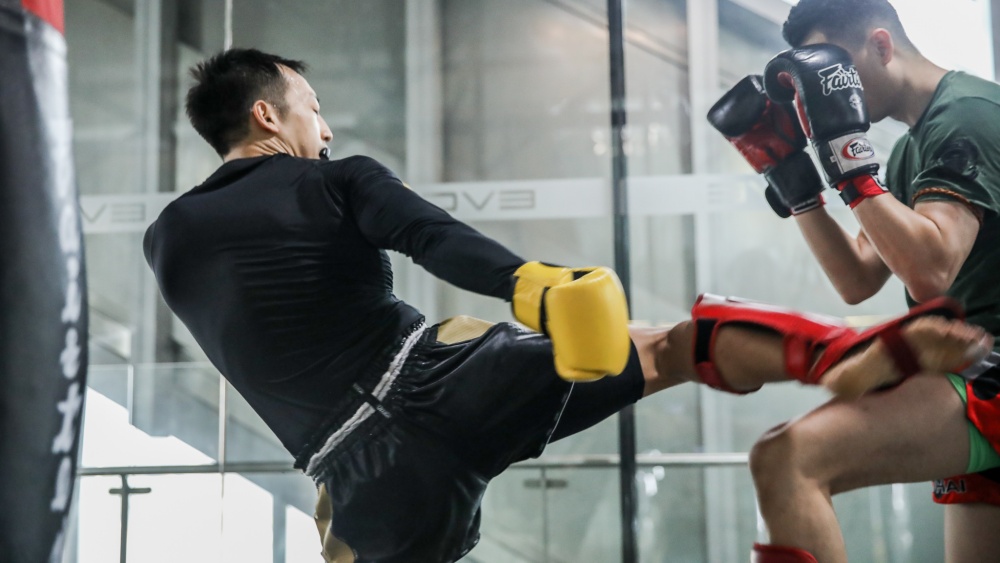
No one expects you to be amazing when you first start sparring. Focus on defense first. If you learn to protect yourself, you’ll have a solid foundation to build on.
Many novices try to go toe-to-toe and immediately panic when punches come toward their face. You’ll probably flinch and move backward when punches come at your face, too.
Try getting used to strikes being thrown at you first. Focus on blocking, checking, and slipping – as well as countless other defensive maneuvers. You’ll quickly realize you can survive these attacks and gain a ton of confidence.
You’ll also figure out that most attacks will not land cleanly on you. Even if one slips through, you might be surprised at how little that bothers you.
As soon as you realize you’re not made of glass, you’ll be much more willing to open up a little and try out some offensive techniques.
11) Relax And Get Creative
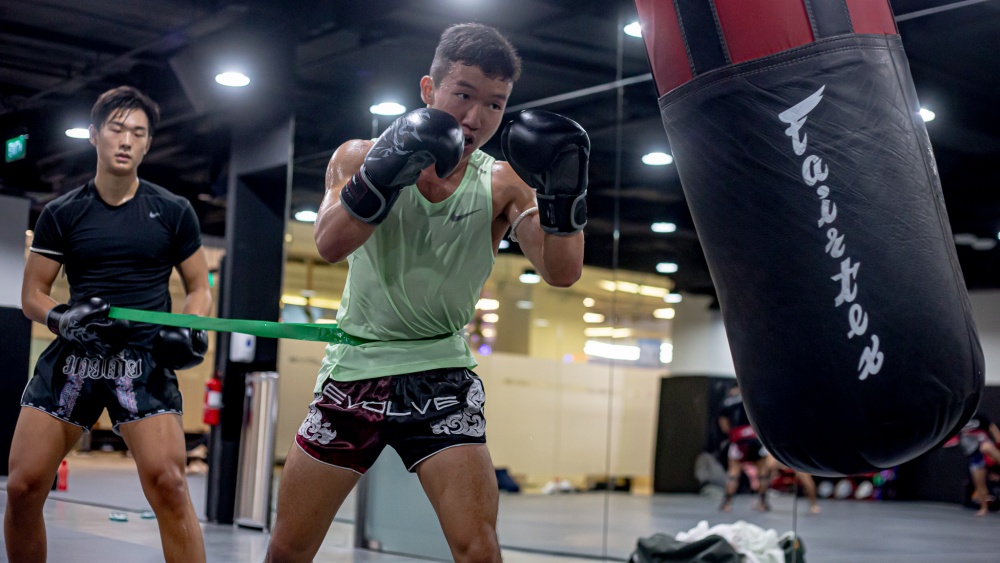
A big rookie mistake in sparring is to tense up and try to land strikes at all costs. This is completely the wrong idea.
Sparring is not a competition. Only those with fragile egos care who lands more strikes and tries to go tit-for-tat. Plus, if you stress out and try too hard to hit and not be hit, you’ll tire yourself out quickly.
The best approach is to take things easy and try to apply what you learned in class to a live combat scenario.
So what if that combo doesn’t work and you eat a leg kick? Learn from what happened and think about how you can take a different approach to make your attacks more potent and your defense more solid.
12) Challenge Yourself
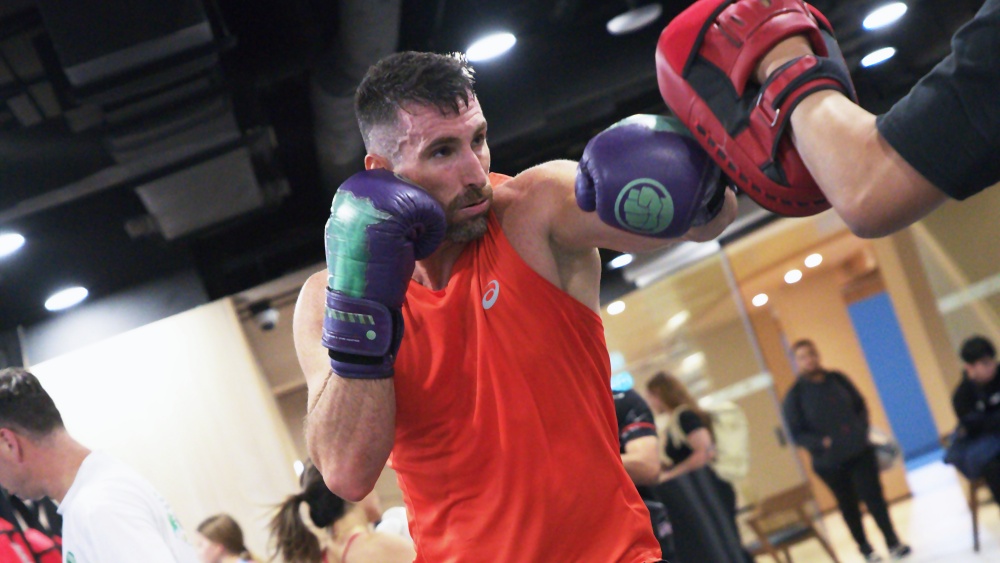
One of the best ways to get better at any sport is to go up against people that are better than you.
You could look at an advanced teammate as a puzzle to solve. How can I find a way to hit him without being hit?
If you were to face someone who is much better in a real fight, you’d have a terrible time. But if you’re going one-on-one in the gym, they’ll dial down the intensity to give you a chance.
Part of the learning process is that they’ll teach you a thing or two by exposing you to new attacks. They will keep you honest and give you fresh problems to solve.
13) Watch And Learn
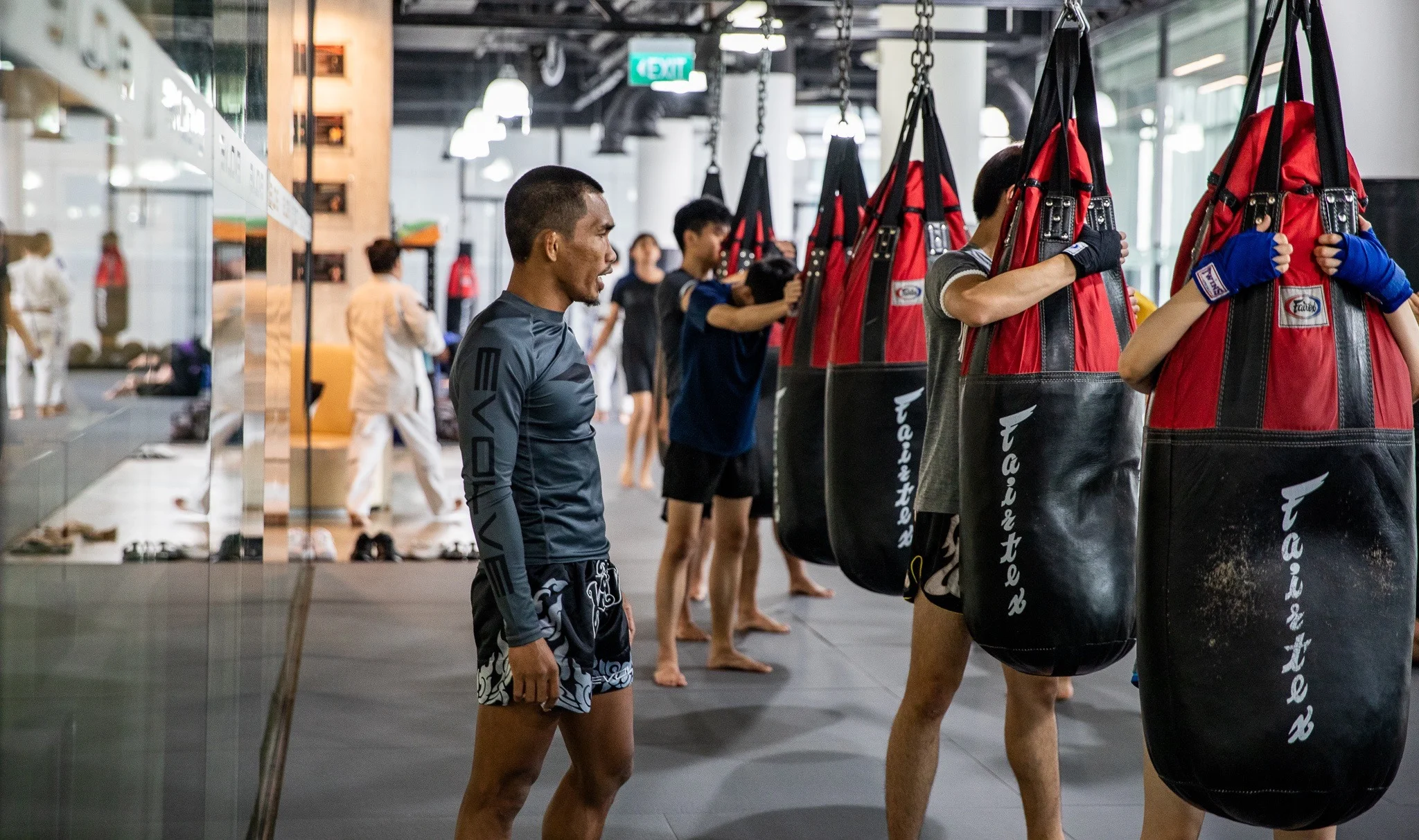
When you’re not training, take a look at your high-level training partners. The top fighters in a gym will lead by example, so you can learn a lot by watching how they train.
Also, you can watch fights and tutorials online. You might pick up some cool techniques or approaches that you can put into practice in your next sparring session.
14) Know Your Limits
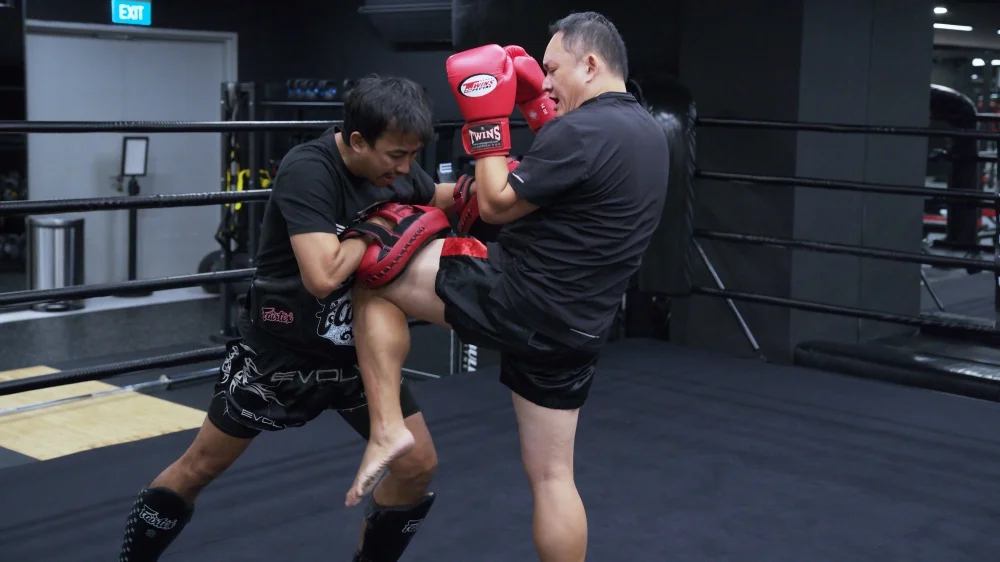
While it’s a good idea to push yourself, don’t take on too much too soon.
If you’re not in peak physical condition, it’s not likely you’ll be able to do double sessions, six days a week. Your body needs plenty of rest to recover.
Overtraining can lead to injury, which will keep you out of the gym and mean your martial arts education comes to a grinding halt.
Also, try not to overload yourself with information. There’s no point trying to memorize a million different combinations before a sparring session. You might end up freezing while you try to remember what you want to throw next instead of going with the flow.
Your best bet is to get comfortable with the foundations of Muay Thai and then build a repertoire of techniques and combinations on top of them. Once everything starts to come instinctively and naturally to you, you can add a few more things.
15) Go The Extra Mile
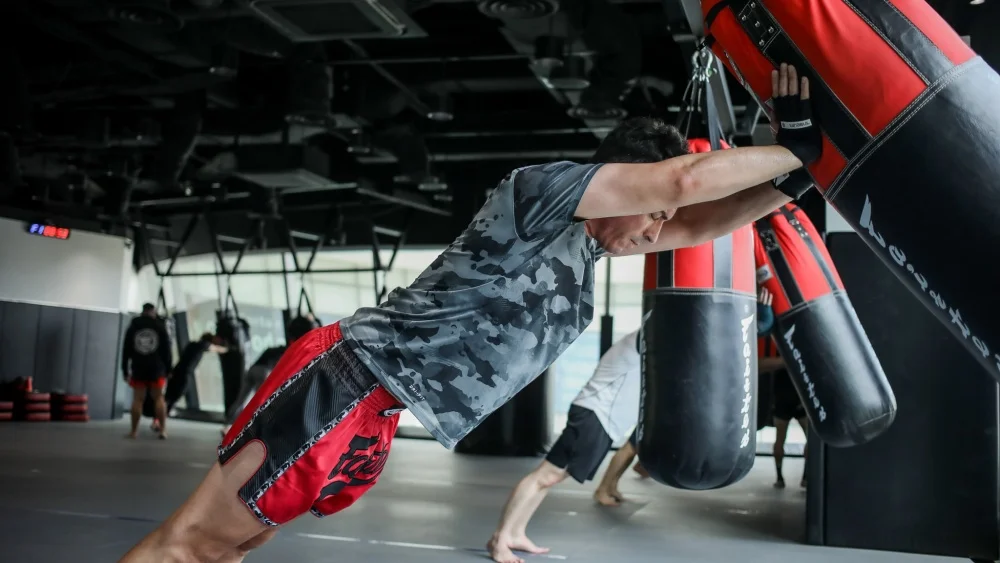
If your body can handle it, training sessions outside your normal Muay Thai classes can be a huge help.
By doing extra work on your cardio, strength, flexibility, and mobility, you’ll be able to work harder for longer, hit harder, kick higher, recover faster, and much more.
All of that will help you to take huge steps forward as a Muay Thai fighter.
Frequently Asked Questions About Learning Muay Thai Quickly
Q: How Many Times A Week Should A Beginner Train Muay Thai?
A: For most beginners, two to three sessions per week is a sustainable and effective starting point. This frequency gives your body enough time to recover between sessions while ensuring you are in the gym often enough for the techniques to accumulate in your muscle memory. As your conditioning improves and your body adapts to the physical demands of training, you can gradually increase to four or five sessions per week. Training more frequently than your body can recover from is counterproductive — fatigue compromises technique, and injury stops development entirely. The goal is sustainable consistency over time, not maximum volume in a single week.
Q: How Long Does It Take To Become Competent At Muay Thai?
A: Most beginners develop a functional foundation — clean basic strikes, reasonable defensive awareness, and enough confidence to spar at a beginner level — within six to twelve months of consistent training. Genuine technical competence, where your striking, defence, footwork, and ring awareness work together fluidly, typically takes two to three years of regular training. Competitive readiness, if that is your goal, varies significantly depending on natural ability, training frequency, and the quality of your sparring partners and coaching. The honest answer is that Muay Thai is a long-term investment — but the improvements are visible and meaningful at every stage of the journey, long before you reach an advanced level.
Q: Is It Worth Paying For Private Muay Thai Sessions As A Beginner?
A: Yes, and beginners often benefit from private sessions more than advanced practitioners do. In a group class, a coach must divide their attention across all students, which means technical errors in your movement patterns can go uncorrected for weeks or months before anyone notices them. A private session puts a coach’s full attention on your specific technique, allowing them to identify and correct errors at the source before they become ingrained habits. Even one private session per month, combined with regular group classes, can significantly accelerate your development. At a gym like Evolve MMA in Singapore, private sessions with World Champion instructors offer a level of personalised feedback that is difficult to replicate anywhere else.
Q: What Is The Most Common Mistake Beginners Make When Learning Muay Thai?
A: Prioritising power over technique is the single most common and most damaging mistake beginners make. The instinct to hit the bag or pads as hard as possible feels productive, but it almost always compromises form — and form practiced at high intensity becomes form practiced in competition. The second most common mistake is avoiding sparring for too long out of fear. Sparring is uncomfortable in the early stages, but it is the only training method that develops the timing, distance management, and composure under pressure that cannot be replicated in drills. Both mistakes stem from the same underlying error: focusing on how training feels rather than what it produces.
Q: How Do I Know When I Am Ready To Start Sparring?
A: Most coaches recommend beginning light, technical sparring once you have a basic command of your stance, guard, and fundamental strikes — typically after two to three months of regular training. You do not need to be technically polished before sparring; in fact, sparring is what reveals the technical gaps that drilling alone does not expose. The key qualifier is mindset: you are ready to spar when you can approach it as a learning exercise rather than a competition, when you are comfortable with the idea of making mistakes, and when you can maintain enough composure to apply what you have been practicing rather than simply reacting. Start with a cooperative, experienced partner who will work with your level, not against it.
Q: How Important Is Watching Fights And Tutorials For Development?
A: Watching high-level Muay Thai — professional fights, technique breakdowns, training footage — is one of the most accessible and underutilised development tools available. It trains your eye to recognise what correct technique looks like in motion, exposes you to strategic approaches and combination structures you may not encounter in your gym’s curriculum, and builds the tactical vocabulary that makes coaching cues easier to understand and apply. The key is to watch actively rather than passively — pause footage to study footwork, guard position, and timing rather than simply following the action. Combining active video study with deliberate drilling of what you observe can meaningfully accelerate the rate at which new techniques transfer from concept to execution.
Q: Should Beginners Focus More On Offence Or Defence When Starting Out?
A: Defence first, without question. Learning to protect yourself — your guard, your blocks, your checks, your head movement — before developing offensive output gives you a structural foundation that makes everything else safer and more effective. A fighter who cannot defend consistently will spend sparring sessions absorbing punishment rather than learning, which limits both their development and their confidence. Offence built on a solid defensive foundation is also more technically sound, because fighters who feel safe are more relaxed, and relaxed fighters execute technique more cleanly and efficiently. As tip ten in this article makes clear: once you know you can survive incoming strikes, your willingness to open up offensively follows naturally.
Q: What Should I Do Outside Of Gym Sessions To Improve Faster?
A: Supplementary work outside regular training can significantly accelerate development when approached intelligently. Roadwork — steady-state running two to three times per week — builds the aerobic base that everything else draws from. Flexibility and mobility work, particularly for the hips and shoulders, directly improves the range and fluidity of kicks and clinch techniques. Shadowboxing at home keeps movement patterns fresh and allows you to drill specific combinations without needing a gym or partner. Strength and conditioning work — focused on functional movements like squats, deadlifts, and core exercises — builds the physical foundation for power and durability. None of these replace time in the gym, but combined with consistent class attendance they compound development in a way that gym sessions alone cannot match.
Final Thoughts
The 15 tips in this article are not secrets. They are the principles that every serious Muay Thai practitioner eventually arrives at — usually after learning their importance the hard way. Train often. Focus on technique before power. Drill until the fundamentals are automatic. Spar with the goal of learning rather than winning. Challenge yourself against better partners. Recover properly. Go the extra mile when your body allows it.
What separates the students who improve quickly from those who plateau is not natural talent — it is the consistency and intelligence with which they apply these principles, session after session, over months and years. Talent determines your starting point. These habits determine your ceiling.
Start applying them from your very next session. The progress will follow.
You may also like:
4 Basic Switch-Hitting Combinations For Muay Thai

Summary Switch-hitting, the ability to seamlessly change stance mid-fight, is one of the rarest and most tactically disruptive skills in Muay Thai. When executed correctly, it forces opponents to process strikes coming from unfamiliar angles,…
Summary Stepping into sparring with a training partner who is significantly larger than you is one of the most instructive and most intimidating experiences in Muay Thai. The size and strength advantage your opponent carries…
Summary Sparring is one of the most valuable tools in Muay Thai training, and one of the easiest to misuse. Done correctly, it accelerates technical development, builds fight-ready timing, and creates the kind of pressure-tested…
Summary Learning combinations is one of the most important steps in developing effective striking in Muay Thai and kickboxing. A single well-placed strike can score, but a well-constructed combination, one that attacks multiple levels, creates…
Summary Muay Thai‘s power as a striking system lies not in the complexity of its techniques, but in the seamless way those techniques combine. A jab sets up a cross, a cross sets up a…
Summary The teep , Muay Thai‘s push kick, is often introduced to beginners as a distance control tool, but its true value is revealed when you learn to chain it into combinations. Used in isolation,…
Summary The teep, also known as the push kick, is one of Muay Thai’s most fundamental and frequently used techniques. Functionally, the kicking equivalent of the jab, it controls distance, disrupts rhythm, sets up combinations,…
Summary The spear knee, also known as the straight knee, is one of the first knee techniques taught in Muay Thai and one of the most important to master. Driven forward with hip power and…
Summary The knee guard is one of Muay Thai‘s most intelligent and underappreciated techniques, a transitional move that transforms the moment immediately after a knee strike from a moment of vulnerability into a position of…
Summary In Muay Thai, every strike has an answer, and for low kicks and body kicks, that answer is the check. A well-executed check does more than just block an incoming kick; it protects your…
Summary Kicks are the defining weapons of Muay Thai, more powerful than punches, higher scoring in the eyes of judges, and capable of ending a fight at any moment. Unlike boxing, which limits fighters to…
Summary Conditioning is the invisible foundation beneath every technique in Muay Thai. You can have perfect form on your kicks, sharp timing on your counters, and excellent ring awareness — but without the physical capacity…

![[Watch] DPL 2026: Himmat Singh's bizarre run-out attempt leads to Super Over drama](https://babu88sports.com/wp-content/uploads/2026/08/watch-dpl-2026-himmat-singhs-bizarre-run-out-attempt-leads-to-super-over-drama-75x75.jpg)